LIFE PAME-Europe Webinar

Adaptive Management in Protected Areas
From Assessing to Implementing
25 November 2026
11:00 - 12:15 CET
Protected Areas are dynamic systems, shaped by natural processes as well as changing environmental and societal conditions. Managing them effectively requires more than predefined conservation objectives and management measures: it calls for the ability to learn, adapt and respond to change.
But how can adaptive management be put into practice and support Protected Area managers in balancing ecological objectives, changing conditions and the expectations and concerns of local communities?
As part of the LIFE PAME-Europe Project, this webinar will explore the role of Protected Area Management Effectiveness (PAME) in supporting adaptive management, combining expert insights with practical experiences from Protected Areas in Iceland and the Netherlands.
Sue Stolton, an expert in PAME and part of the LIFE PAME-Europe Advisory Board, will explore how PAME has increasingly supported adaptive management. Two case studies will illustrate what this can mean in practice:
Vatnajökull National Park in Iceland will illustrate the challenges of managing a Protected Area shaped by dynamic natural processes, increasing tourism and recreational pressure. Furthermore, LIFE PAME-Europe Pilot Site National Park Zuid-Kennemerland in the Netherlands will share their experience of reactivating dune dynamics through notches and restored parabolic dunes. Highlighting not only the ecological benefits of such interventions, but also the challenges of stakeholder engagement, public acceptance and societal reactions.
Through these contributions, the webinar will open a discussion on how Protected Areas can adapt their management approaches in practice, learn from experience and navigate the sometimes complex relationship between conservation objectives and societal expectations.
Register here:
*Your personal data is safe with us! All information provided in this form will be exclusively used by the EUROPARC Federation and it will not be shared with third parties. With your permission, we will include your email address in our contact list (which you can unsubscribe at any time) so you can always be up-to-date with our training opportunities and events, and receive useful resources for Protected Areas directly in your inbox. Want to know more? Read EUROPARC's Privacy Policy.
Programme
Welcome and Introduction
Neil McIntosh, Project Manager for LIFE PAME-Europe, EUROPARC Federation
How PAME supports Adaptive Management
Sue Stolton, Partner at Equilibrium Research
The Dynamic Nature of Fire and Ice: Dynamic or Rigid Management?
Helga Árnadóttir, Project Manager at Division of Management and Conservation at the Nature Conservation Agency of Iceland
Restoring Dynamic Dune Landscapes: Ecological Benefits and Societal Challenges
Inger van den Bosch, Research Coordinator at PWN
Q&A
Participants will be able to pose questions after each of the speakers.
...
EUROPARC events give you the opportunity to get new ideas, tools and inspiration from other protected area professionals. At real time. Person to person. Without leaving your home.
Meet the speakers
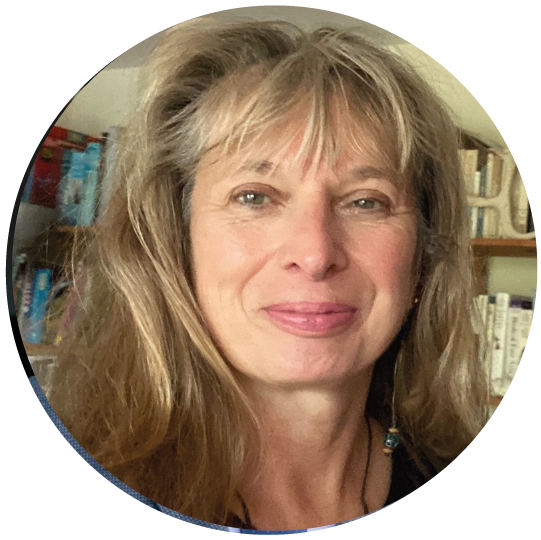
Sue Stolton
Partner at Equilibrium Research & Member of the LIFE PAME-Europe Advisory Board
Sue Stolton co-founded Equilibrium Research with Nigel Dudley in the 1990s, focusing on practical conservation solutions, particularly in Protected Areas. She is an internationally recognised expert in Protected Area Management Effectiveness (PAME) and helped develop the widely used Management Effectiveness Tracking Tool (METT) and the IUCN WCPA framework for assessing management effectiveness. Her work spans Europe, Africa, Asia and the Middle East, supporting Protected Areas in evaluating and improving their management.
How PAME supports Adaptive Management
In her intervention, Sue will explore how PAME has increasingly supported adaptive management. Where do PAME assessments fit into the Adaptive Management cycle, and how can outcomes inform Protected Area management decisions?
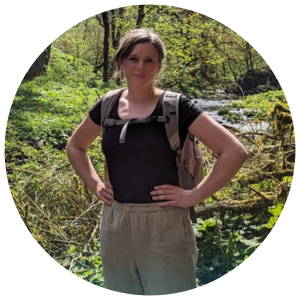
Inger van den Bosch
Research Coordinator at PWN
Inger van den Bosch is a Research Coordinator at PWN, where she has been working for the past three years. With a background in marine ecology and oceanography, she brings experience in research coordination and environmental management. Having grown up next to the Zuid-Kennemerland Natura 2000 site, she has witnessed first-hand how the landscape has changed over time.
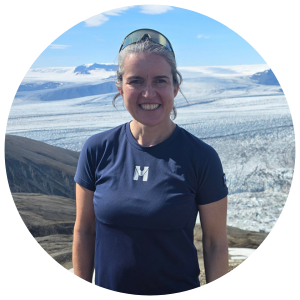
Helga Árnadóttir
Project Manager at Division of Management and Conservation at the Nature Conservation Agency of Iceland
Helga Árnadóttir works in the Division of Management and Conservation at the Nature Conservation Agency of Iceland. She holds an MSc in Biomedical Sciences and has 18 years of experience working in Vatnajökull National Park, where she has held several roles, including ranger, assistant park manager, park manager and specialist. She is currently leading the revision of the park's management plan.
The Dynamic Nature of Fire and Ice: Dynamic or Rigid Management?
Vatnajökull National Park in Iceland was designated a UNESCO World Heritage site in 2019. Like other Protected Areas across Europe, it has experienced an increase in tourism and recreational activities over the past decade. How can a Protected Area shaped by dynamic natural processes be managed in a changing environment? This case study will explore the challenges of balancing conservation and visitor pressure, the tools currently in use and opportunities for more adaptive management.
Moderator

Neil McIntosh
Project Manager for LIFE PAME-Europe at EUROPARC Federation
Organised and funded by:
Frequently Asked Questions
Who can attend the webinars?
Our webinars are targeted at Protected Area professionals and anyone interested in the topic. They are a platform for technical discussions, where experts and professionals can share their own experiences with the wider community.
Are the webinars recorded?
Yes, all EUROPARC webinars are recorded and can be found on our website under Training and Events, as well as on our YouTube channel @EUROPARC. Once you have registered, you will receive an email notification for when the recording is published for viewing.
What is the EUROPARC Federation?
The EUROPARC Federation is Europe’s largest network of Protected Area professionals. Established out of curiosity and a shared desire to learn from one another, we have been connecting people and Parks for over 50 years. Through our projects, events, and flagship programmes, we foster collaboration among experts across Europe, helping them enhance their work in nature conservation and sustainable management. Explore our infographics below to learn more about our programmes, or visit our website at www.europarc.org and see how you can get involved!
What is LIFE PAME-Europe?
LIFE PAME-Europe is a EUROPARC-led project. With support from experts and Pilot Sites across Europe the project aims to develop a Management Effectiveness Evaluation (MEE) framework for Europe that harmonises with existing national and international systems.
Get all the information on the EUROPARC website here.